
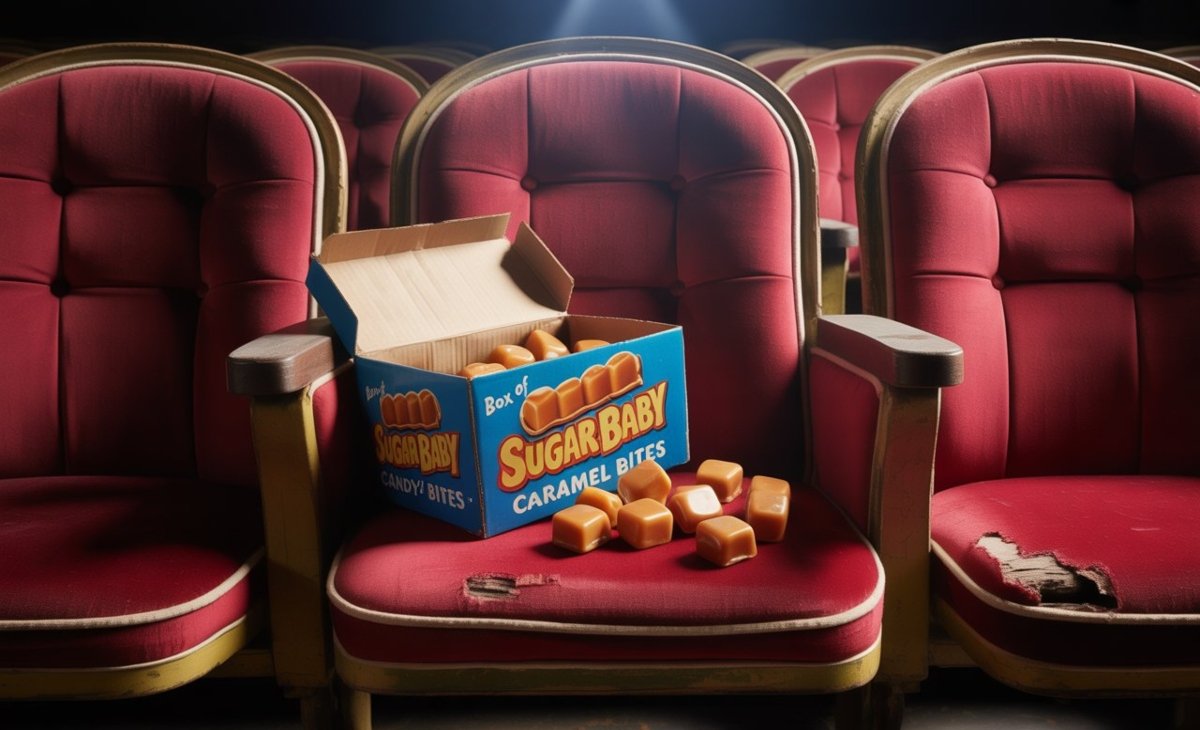
Few confections manage to hold both cultural nostalgia and modern curiosity like sugar baby candy. For many, it is not just a caramel-coated treat but a symbol of childhood memories, movie theater indulgence, and the evolution of American candy culture. While new brands and artisanal sweets dominate shelves today, this classic confection still sparks conversation because it embodies both tradition and timeless taste.
This article takes a deep dive into the origins of sugar baby candy, its journey through the candyw industry, and why it remains relevant even in today’s health-conscious and innovation-driven snacking world. Along the way, we’ll explore case studies of how retro candies like this maintain relevance through branding, packaging, and generational nostalgia.
The Origins and Rise of Sugar Baby Candy
The candy first appeared in the mid-20th century as part of the “Sugar Family” of sweets, alongside Sugar Daddy lollipops and Sugar Mama variations. Manufactured originally by the James O. Welch Company, It was marketed as bite-sized caramel nuggets—chewy, rich, and conveniently packaged.
In an era when American households were experiencing post-war economic growth, candy was no longer just for children. Adults, too, were seeking affordable indulgences. It is capitalized on this by offering a treat that was both portable and shareable, with a rich caramel flavor that appealed across age groups.
Over time, the product shifted ownership from Welch to Nabisco, and eventually to Tootsie Roll Industries, where it remains today. Each corporate takeover brought subtle packaging changes but preserved the candy’s identity: a chewy, caramel-centered snack in a recognizable yellow-and-red box.
Nostalgia as a Marketing Tool
Case studies in consumer psychology highlight how brands like sugar baby candy thrive on nostalgia. The candy is frequently associated with American movie theaters in the 1960s–80s, where boxed candies became part of the cinematic experience. Just as popcorn is synonymous with movies, boxed candies built their own cultural significance.
Unlike modern gummies or artisan chocolates, Its doesn’t rely on novelty flavors or Instagram-worthy aesthetics. Instead, its appeal lies in familiarity. Marketing research shows that consumers often return to nostalgic products during uncertain times because they provide emotional comfort. During the 2008 recession, retro candy sales spiked, proving that old favorites can outperform new innovations when emotional connection drives purchases.
Real-World Case Study: Retro Candy Stores
To understand the modern relevance of sugar baby candy, let’s consider the case of small retro candy shops across the U.S. One New York–based shop specializing in vintage sweets reported that over 40% of its sales came from customers over 35 years old. However, a surprising secondary demographic—Gen Z—also contributed significantly.
Why? Because Gen Z consumers often discover sugar baby candy through social media “retro candy haul” videos or through grandparents introducing them to treats from their own youth. This cross-generational sharing transforms a simple box of caramel bites into a storytelling product, carrying emotional value far beyond its price point.
The Cultural Role of Sugar Baby Candy
Beyond its place in candy aisles, It has appeared in pop culture references, old commercials, and even niche collector markets. Collectors seek vintage candy boxes, some of which fetch surprising prices on auction sites. This highlights another layer of cultural relevance: the candy’s packaging design itself has become iconic.
The bold typography, playful use of color, and consistent branding contribute to its recognition. In branding studies, It is often serves as an example of how minimal design evolution can preserve product identity across decades while still feeling relevant.
Why Sugar Baby Candy Endures
Despite evolving dietary preferences and competition from gourmet snacks, It continues to survive in mainstream retail. There are a few key reasons for its endurance:
- Simplicity of flavor: Unlike complex confections, its straightforward caramel taste has universal appeal.
- Portability: The bite-sized format makes it ideal for sharing or snacking during activities.
- Emotional connection: Nostalgia keeps older consumers loyal while sparking curiosity in younger buyers.
- Cultural placement: Its strong association with movie theaters and childhood memories gives it a distinct identity.
Challenges in a Health-Conscious Market
Modern consumers are increasingly mindful of sugar content, ingredient transparency, and portion control. For candies like sugar baby candy, this presents a challenge: how to stay relevant without alienating health-conscious buyers.
Some candy brands are experimenting with smaller packaging sizes, “fun size” portions, or reformulated versions with fewer additives. While sugar baby candy has largely remained true to its original recipe, its survival strategy has been to position itself as an occasional treat rather than an everyday snack. In this way, it embraces indulgence instead of competing with protein bars or sugar-free alternatives.
A Sweet Future?
Looking ahead, the future of sugar baby candy lies in balancing nostalgia with modern consumer expectations. Collaborations with pop culture franchises, limited-edition packaging, and digital marketing campaigns could reintroduce the candy to younger generations.
For example, retro brands have recently partnered with streaming shows or movies to re-enter popular conversation. If sugar baby candy embraces similar strategies, it could maintain relevance well into the next decades.
Conclusion
At first glance, It is might appear to be a simple caramel bite in a yellow box. But its true story runs deeper—it represents the resilience of nostalgic branding, the cross-generational power of sweets, and the ability of tradition to thrive even in a rapidly evolving market.
For businesses, It is more than a product case study—it is a lesson in how emotional connection often outweighs innovation in consumer decision-making. For individuals, it’s a reminder that sometimes the simplest pleasures, like sharing a chewy caramel treat at the movies, leave the sweetest memories.
👉 If you haven’t tried sugar baby candy in a while, maybe it’s time to revisit this classic. You might just rediscover a taste of the past while enjoying the sweetness of the present.
FAQs About Sugar Baby Candy
1. What is sugar baby candy made of?
It is primarily made of chewy caramel, coated for a smooth texture and long-lasting flavor.
2. Who makes sugar baby candy today?
The candy is currently manufactured by Tootsie Roll Industries.
3. Is sugar baby candy still sold in theaters?
Yes, it remains a popular choice in many American movie theaters and candy shops.
4. Does sugar baby candy come in different flavors?
Traditionally, it’s caramel-based, but variations have existed in limited editions.
5. Why is sugar baby candy considered nostalgic?
It’s linked to decades of movie-going culture and childhood snacking traditions.
