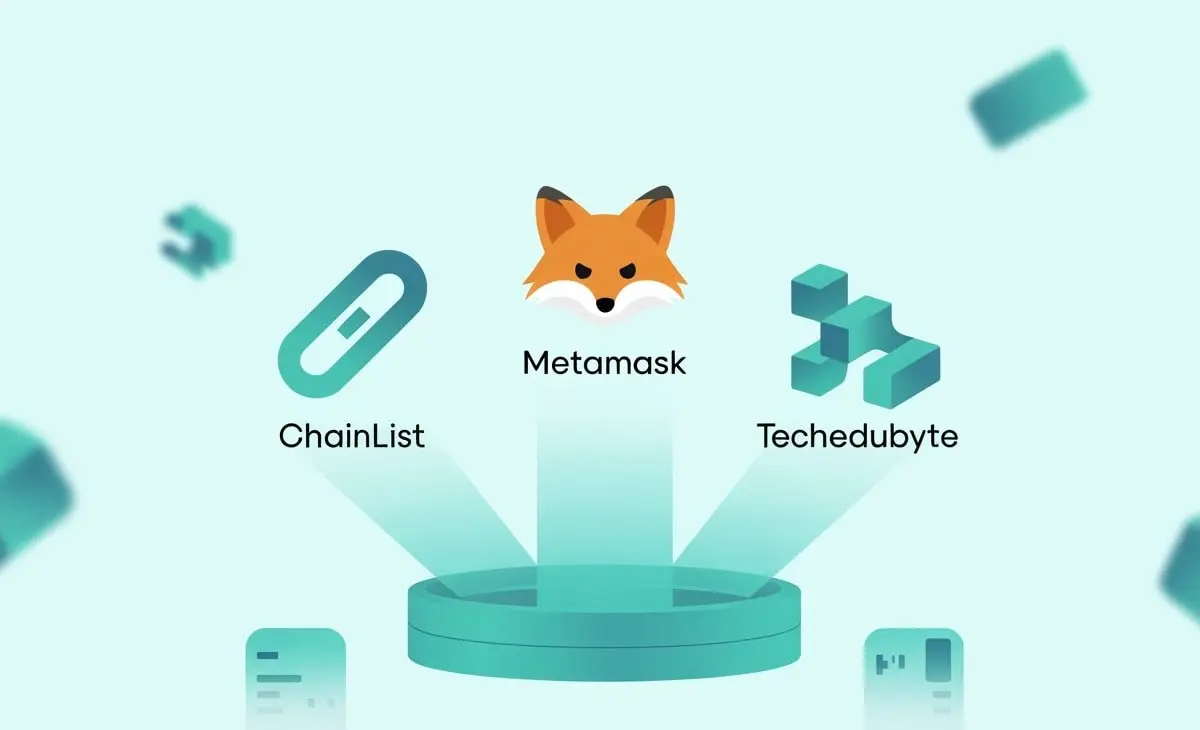
Navigating the world of cryptocurrencies can feel like decoding a foreign language. Wallets, networks, RPC URLs—it’s overwhelming, especially for beginners. But here’s the good news: with Chainlist, MetaMask, and Techedubyte, understanding blockchain interactions just got a whole lot easier.
Whether you’re new to Web3 or already managing a few decentralized apps (DApps), this trio can save you hours of frustration. If you’ve ever been stumped trying to manually configure a blockchain on MetaMask or worried about making an irreversible error, this guide is for you.
MetaMask: Your Portal Into Decentralized Finance
MetaMask isn’t just a crypto wallet. It’s a personal key to the decentralized universe. From Ethereum to Layer 2 solutions and EVM-compatible networks, MetaMask lets you access a multitude of blockchains, all from your browser or mobile device.
But by default, it only connects to the Ethereum Mainnet. That’s fine for many users at first—but as soon as you want to use faster, cheaper, or more specialized networks like Binance Smart Chain, Arbitrum, or Polygon, you’re faced with a problem: manually adding network settings. It sounds simple, but one mistake in the chain ID or RPC URL can lock your funds—or worse, send them to the wrong chain entirely.
This is where Chainlist changes the game.
Chainlist: Say Goodbye to Manual Blockchain Configuration
Imagine a tool that lets you find and add blockchain networks to MetaMask in a single click—no copying, pasting, or cross-referencing required. That’s exactly what Chainlist offers. It’s a community-verified platform that lists hundreds of EVM-compatible chains, along with all the technical details MetaMask needs to add them safely.
Instead of risking an error while trying to input chain IDs, Chainlist allows you to search, select, and connect—securely and in seconds.
Techedubyte, a trusted source for Web3 insights, highlights Chainlist as one of the must-use tools for anyone interacting with DeFi, NFTs, or cross-chain applications. And rightfully so—this tool removes friction, reduces mistakes, and empowers users of all experience levels.
Getting Started: Using Chainlist with MetaMask
Let’s walk through what the typical experience looks like:
First, you install MetaMask from metamask.io. Once your wallet is set up with its seed phrase securely stored, you’ll want to access other networks. Now, instead of Googling “Polygon RPC URL” or typing out chain settings from forums, you simply visit Chainlist.org.
There, the process is straightforward:
- Click Connect Wallet at the top.
- Approve the connection via MetaMask.
- Use the search bar to find your preferred network—whether it’s Avalanche, BSC, or Optimism.
- Once it appears, click Add to MetaMask.
- MetaMask pops up with all the correct details filled in. You just hit Approve.
Done. The new blockchain network is now active in your wallet, ready for transactions, staking, or minting NFTs.
Why Chainlist + MetaMask Matters in 2025
As blockchain continues to expand with dozens of new EVM-compatible chains emerging every year, manually keeping up with them becomes unsustainable. chainlist metamask techedubyte has become a crucial bridge between expanding blockchain ecosystems and the tools users already rely on—especially MetaMask.
With Techedubyte’s in-depth analysis of Web3 tooling, it’s clear this isn’t a trend—it’s a necessity. Chainlist allows users to adapt quickly, whether they’re testing out a new DEX on Arbitrum Nova or exploring gasless NFT minting on Gnosis Chain.
This plug-and-play model brings a new level of usability to crypto. And that usability is exactly what will onboard the next wave of users.
How Techedubyte Enhances the Experience
Techedubyte isn’t just reporting the crypto trends—it’s curating them. For those just entering DeFi or blockchain gaming, their detailed tutorials on how to safely use MetaMask, choose the right RPC providers, and avoid phishing scams are a game-changer.
In fact, Techedubyte has become a go-to source for practical Web3 knowledge that balances simplicity with depth. When they recommend a tool like Chainlist, it comes backed by firsthand testing, real user feedback, and clear how-tos.
If you want not just a tool, but the wisdom to use it right, Techedubyte delivers.
Real User Experience: From Frustration to Flow
Before discovering Chainlist, many MetaMask users went through a frustrating learning curve. Copying chain information from Reddit posts, dealing with errors, switching between different sources to verify every RPC and Chain ID—this wasn’t sustainable, and definitely not beginner-friendly.
After switching to Chainlist, that friction disappears. Whether it’s adding zkSync Era or a testnet like Mumbai for Polygon development, users find the process faster, more intuitive, and significantly safer.
This ease has encouraged more experimentation. When the barrier to trying new chains disappears, people start exploring DeFi strategies, minting NFTs on new platforms, and engaging more confidently in Web3 spaces.
Security and Peace of Mind
Chainlist offers not just convenience, but security. With verified entries and community oversight, the likelihood of adding a malicious network drops dramatically. Still, you need to stay smart:
Always ensure you’re on the official Chainlist website, as fake lookalikes do exist. Never share your MetaMask seed phrase. And if a site asks you to “import” your private key—run. That’s not how Chainlist works. It only requests standard permissions like wallet connection and basic transaction confirmation.
Using a hardware wallet like Ledger or Trezor alongside MetaMask adds an extra layer of protection, especially for users managing significant assets across chains.
Final Thoughts: Your Gateway to Seamless Blockchain Use
Chainlist MetaMask Techedubyte—three names that, when combined, create a frictionless, secure, and empowering Web3 experience. Whether you’re a DeFi veteran or a crypto newcomer, this trio makes exploring the blockchain space feel less like a maze and more like a map.
With the rapid rise of Layer 2s, gasless protocols, and multichain apps, managing networks shouldn’t slow you down. Thanks to Chainlist and the clarity Techedubyte provides, it no longer has to.
So the next time you find a promising DApp that requires a network you haven’t used yet, don’t panic. Visit Chainlist. Let it do the heavy lifting. And keep your focus where it belongs: on exploring, building, and thriving in the world of decentralized technology.
FAQs: Chainlist MetaMask Techedubyte
Is Chainlist safe to use with MetaMask?
Yes, as long as you use the official site (https://chainlist.org). It does not ask for private keys or sensitive credentials.
Do I need a separate wallet to use Chainlist?
No, Chainlist works seamlessly with MetaMask. No additional wallet setup is required.
Can I add testnets through Chainlist?
Absolutely. Chainlist supports testnets like Goerli, Mumbai, and Sepolia, perfect for developers and testers.
What if MetaMask fails to add a network?
Try refreshing Chainlist, ensure your MetaMask is unlocked, and attempt the connection again. Also, make sure your browser doesn’t block pop-ups.
Does Techedubyte endorse Chainlist?
Techedubyte frequently features Chainlist in its trusted Web3 tool recommendations, praising its simplicity and safety for all users.
Why not just enter RPC settings manually?
Manual entry is error-prone and risky. A single wrong digit in the Chain ID or RPC URL can lead to irreversible mistakes. Chainlist minimizes that risk.
